Part Two

The Company

Four figures whose lives run through the wood and stone of this place.

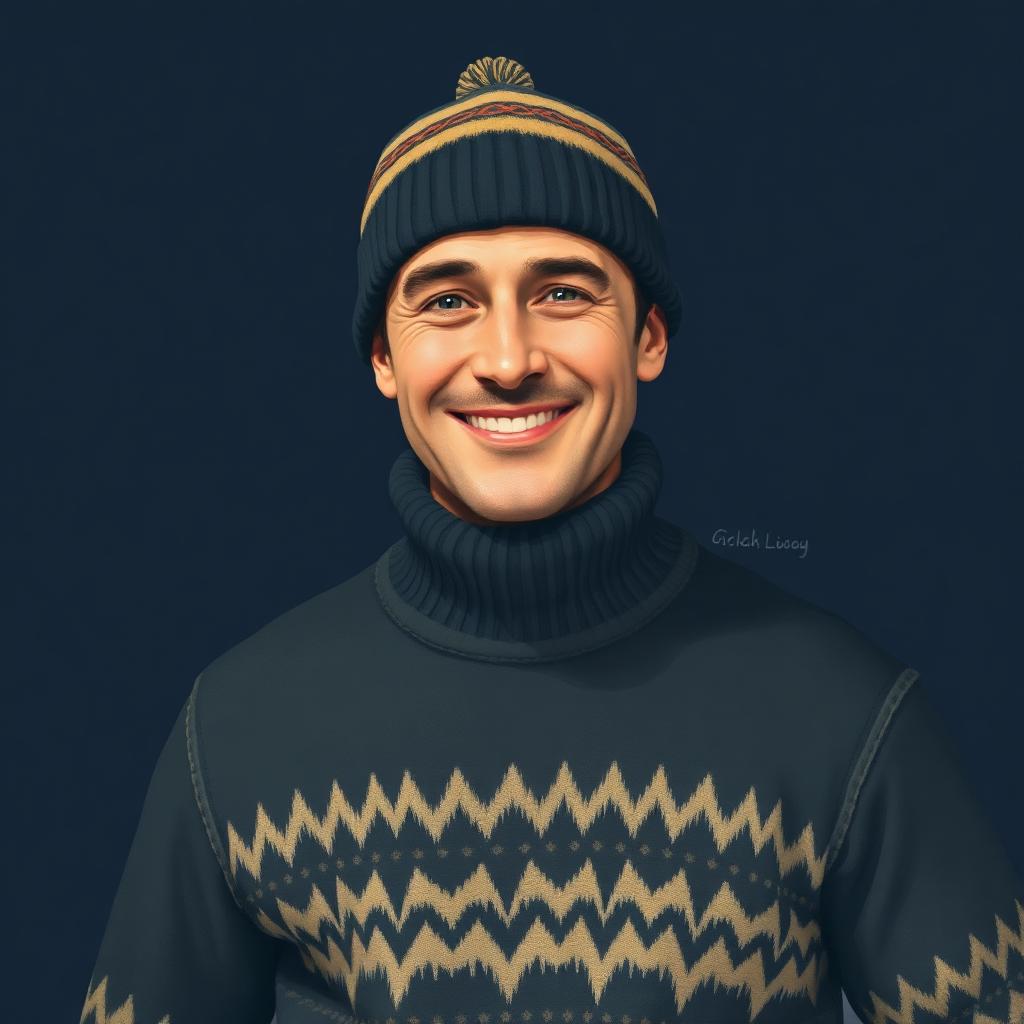
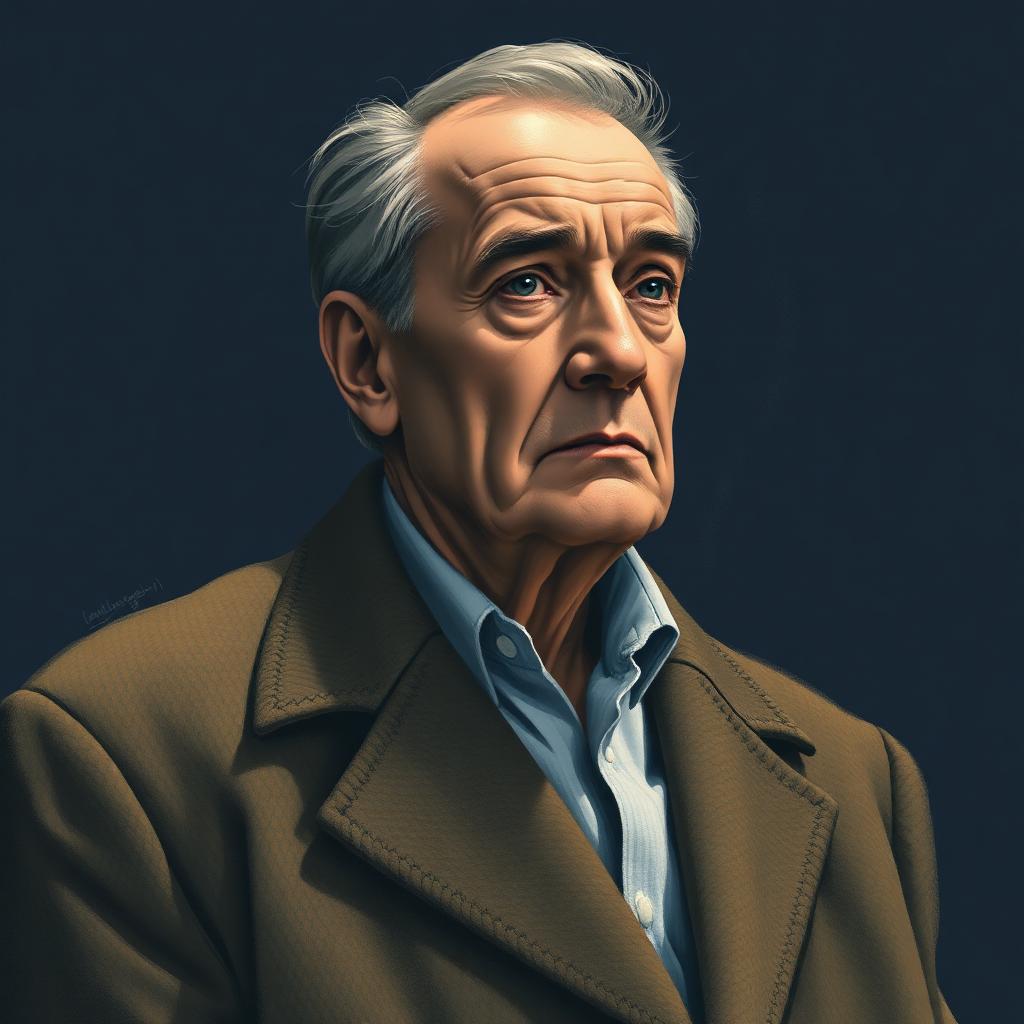
Portrait of Jerome Hill

1905 — 1972

Filmmaker · Painter · Philanthropist

Jerome Hill

Heir to the Great Northern Railway fortune, Jerome Hill turned away from industry toward a life of painting, filmmaking, and quiet patronage. His documentary Albert Schweitzer won the Academy Award in 1957.

He moved between Cassis on the French Riviera and the American West, drawn to landscapes that felt older than the century he was born into.

The lodge connection

Hill commissioned the house in 1940 and paid the final invoice in January 1942. The two-year paper trail between him and Wurster is the reason we still know what shutter-doors and hearth details he wanted.

Art is a way of paying attention to the world.
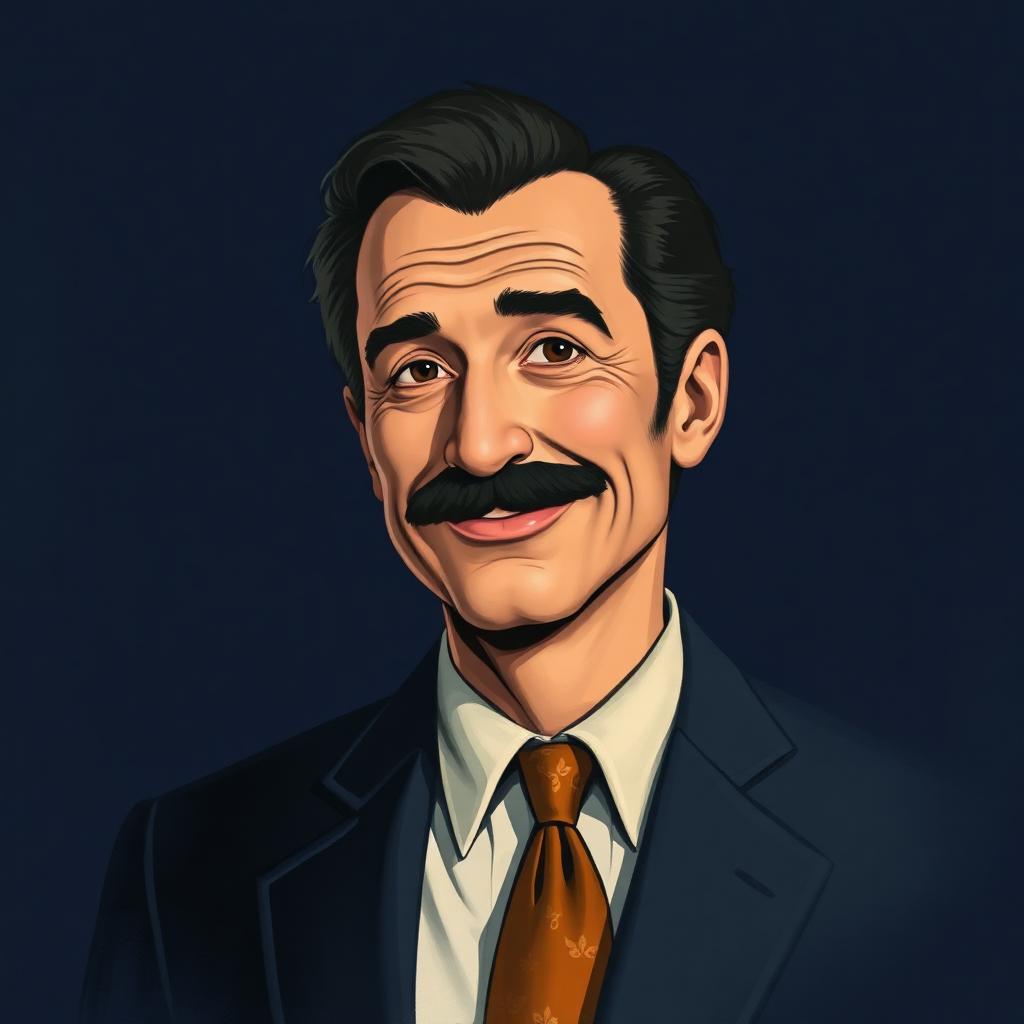
Portrait of Hannes Schroll

1909 — 1987

Ski Champion · Mountain Founder

Hannes Schroll

Born in the Austrian Tyrol, Hannes Schroll became a champion downhill racer and yodeler before crossing the Atlantic in the 1930s to bring alpine skiing to California's Sierra Nevada.

He founded Sugar Bowl in 1939 — the first chairlift on the Pacific slope — and turned a wall of granite into a proper ski mountain.

The lodge connection

Schroll's Sugar Bowl is the reason there is a lodge here at all. The mountain came first; the house followed two summers later.

Ein Berg braucht ein Zuhause. A mountain needs a home.
Portrait of Walt Disney

1901 — 1966

Animator · Early Partner

Walt Disney

Before the theme parks, before Mary Poppins, Walt Disney was a skier — and one of Hannes Schroll's earliest financial partners in Sugar Bowl. He held the founding shares and lent his name to Mount Disney, the peak still marked on the trail map.

He kept a cabin nearby and brought his family up on winter weekends.

The lodge connection

Disney's early investment made the mountain possible. The lodge, built in the same decade, drew from the same circle of dreamers who thought a granite ridge in the Sierras could hold a village.

It's kind of fun to do the impossible.
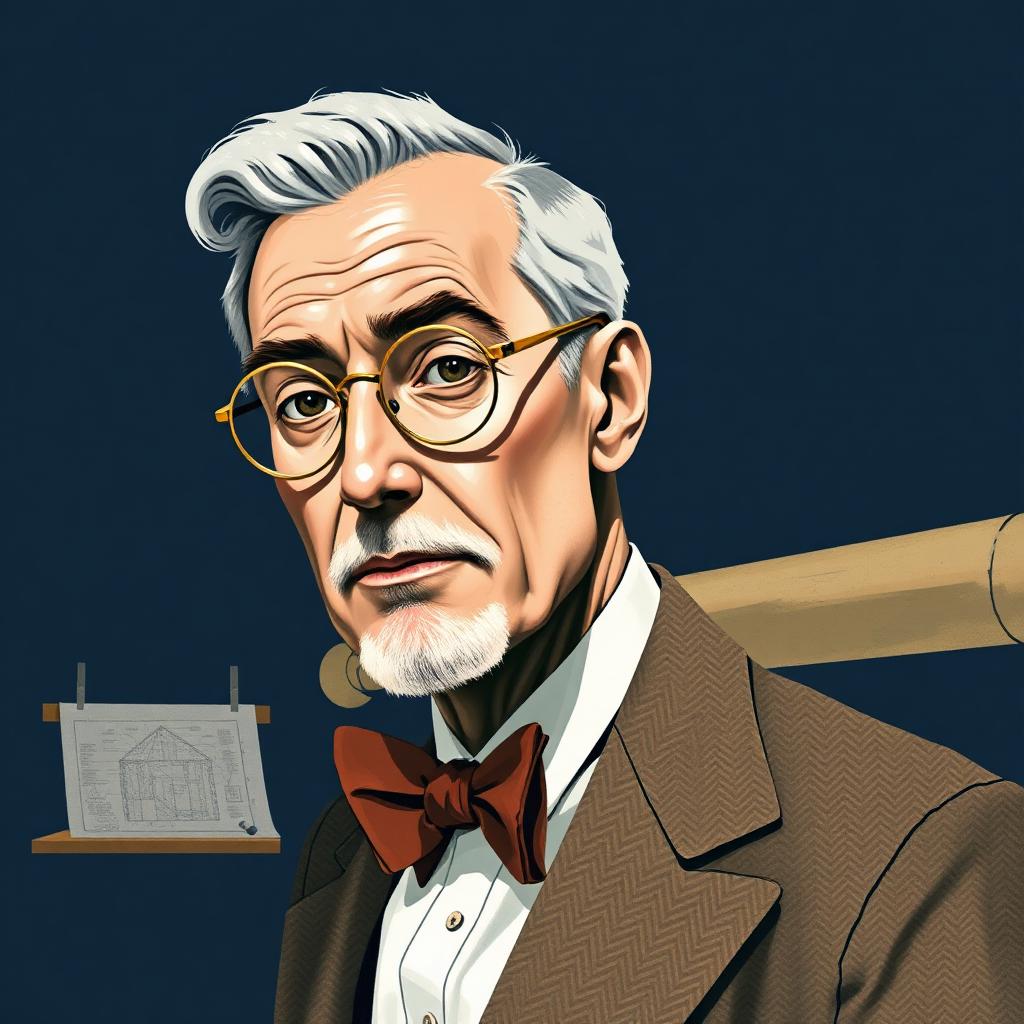
Portrait of William Wurster

1895 — 1973

Architect · Bay Region Modernist

William Wurster

Wurster shaped what came to be called the Second Bay Tradition — a California modernism made of redwood, glass, and unfussy plans that let light and landscape do the talking. He led the architecture schools at both MIT and Berkeley.

His houses were quiet buildings: broad eaves, planked ceilings, a fireplace at the heart of every room.

The lodge connection

Wurster's hand is felt in the lodge's original bones — the low horizontal massing, the honest materials, the refusal to shout. The restoration is a conversation with those decisions, seventy years on.

Architecture is the frame of life.